Table of Contents
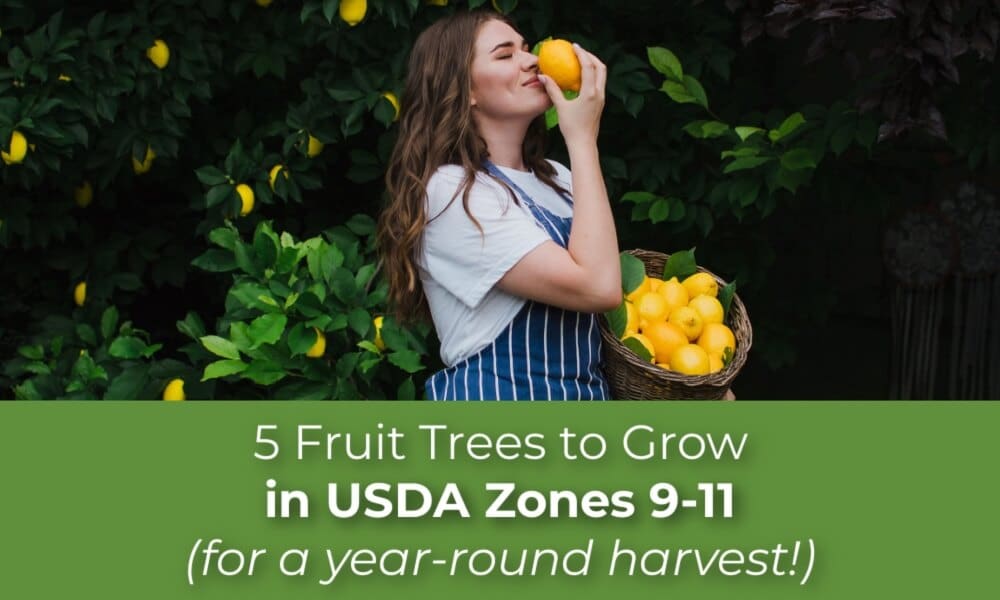
5 Fruit Trees to Grow in USDA Zones 9-11
If you are living in USDA Growing Zones 9-11, you are likely lucky enough to be able to grow lots of your own fruit at home. Citrus, avocados, berries, deciduous fruit trees, fig trees, and even olive trees can all thrive within zones 9-11, with very little intervention due to milder weather conditions. Some conditions that make zones 9-11 ideal for growing fruit trees are:
- Mild winters
- A longer growing season
- Warm temperatures
- Lots of sunshine
- Lower risk of frost damage
- More flexible window for planting or repotting
- Evergreen trees can stay green all-year
Here is a list of 5 fruit trees that we recommend if you are within zones 9-11 and ready to grow your own fruit harvests.
1. Sour Citrus: Improved Meyer Lemon Tree / Bearss Lime Tree: (Year-round)
The Meyer Lemon and the Bearss Lime are a classic duo that I don't have the heart to separate. On one side, you have arguably the best lemon tree around that's perfect for juicing, zesting & cooking. On the other side, you have one of the hardiest lime varieties around that's packed with juice and no seeds. Make your favorite lemon/lime cocktails, desserts and juices at home nearly year round, as they are everbearing varieties. This means you will usually have flowers and fruit on your tree at any time. Check out our Citrus Growing Tips for more citrus tree gardening information.
Improved Meyer Lemon Semi-Dwarf Tree
$65.00
--MEYER LEMON-- Our Best Selling Citrus Tree! The Meyer Lemon tree is a California favorite Grows very well in containers The fruit is very juicy and less tart than Eureka Lemon or Lisbon Lemon. The gourmet Meyer lemon develops golden color at… read more

Bearss Seedless Lime (Tahitian/Persian) Semi-Dwarf Tree
$65.00
--BEARSS LIME-- Bearss Limes are also known as Persian Limes or Tahitian Limes. Bears heavy crops of juicy limes with a strong fresh flavor. The heavy fall crop of Bearss Limes stores well on trees when protected from severe frosts.… read more

2. Sweet Citrus: Owari Satsuma Mandarin Tree: (Dec - Mar)
Start your new year with a sweet, juicy citrus treat that is easy to peel and packed with flavor and nutrients. This seedless mandarin variety is a must-have for all backyard orchards. This cold-hardy variety begins to ripen in December and will hang onto fruit into March. Satsuma Mandarins produce overall smaller citrus trees that are easy to maintain with minimal pruning needed. It's weeping habit and prolific nature makes this tree stand out from other mandarin varieties. Check out our Citrus Growing Tips for more growing information.
Owari Satsuma Mandarin Semi-Dwarf Tree
$65.00
--OWARI SATSUMA-- Our Best Selling Mandarin Tree! Early Season Ripening Satsuma fruit ripens in early winter, is seedless, and easy to peel. The flesh is bright orange, tender, juicy and sweet in flavor Hardiest of all mandarins. Productive, early producer. … read more

3. Hass Avocado Tree: (Apr - Sep)
Hass is a classic avocado with rich flavor and relatively high oil conten. The tree has reliable production, which makes it popular for backyard growers. This April-ripening variety also has quite a long season with fruit still harvestable through the end of September. Not only will this beautiful tree produce loads of fruit, but it will also create an incredible centerpiece for your backyard garden or orchard with its lush foliage. Check out our Avocado Growing Tips for more growing information.
Hass Avocado Tree
$70.00
--HASS-- Ready in Spring 2027. The Hass avocado tree is the largest commercially produced variety. Hass avocados have excellent flavor and oil content. Grows green fruit which turns black when ripe. Known for their recognizable pebbly skin. Hass fruit size… read more

4. Santa Rosa Plum Tree / Elberta Peach Tree: (Jun - July)
These two stone fruit trees may not have the longest season, but the tasty treats are well worth it. Both are hardy fruit trees that can be grown in colder climates, unlike some of the sub-tropicals on this list. Fall/winter pruning is necessary for these trees to keep them in check and maintain a healthy tree. Check out our Fruit Tree Growing Tips for more growing information.
5. Brown Turkey Fig Tree: (Aug - Oct)
These yummy fruit treats are the gift that keeps on giving. If you are in a warm enough climate, you will get two crops. One in the spring that fruits on the previous seasons growth called the "Breba" crop, and a second main crop that ripens from August through October. Fig trees are so easy to grow and are one of few that do exceptionally well in a container. Container growing will also have a subtle dwarfing effect on your tree that will keep it from getting too big and fruit from growing out of reach. These reasons make the Brown Turkey fig tree one of the best fruit trees for fall harvest. Check out our Fig Tree Growing Tips for more fig growing information.
Brown Turkey Fig Tree
$54.00
--BROWN TURKEY-- Brown Turkey fig trees can be grown on the coast or inland. They are considered cold hardy. This is a compact tree, so you can prune them to any shape. Self-fruitful It grows two crops per year- large… read more