Table of Contents
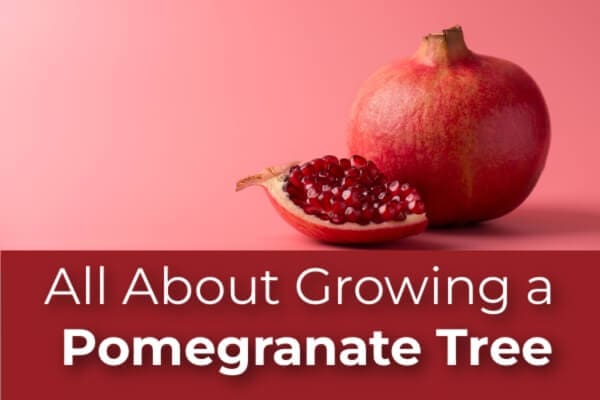
All About Growing a Pomegranate Tree.
The History of the Pomegranate Tree
Pomegranates are fascinating fruits with a rich history many different varieties. Humans have enjoyed the beauty and bounty of growing a pomegranate tree to feed their families for hundreds of years. Originating from the region extending from modern-day Iran to northern India, the pomegranate has been cultivated since ancient times. It is believed to have been one of the first fruits domesticated by humans, with evidence dating back as far as 4000 BC.
Throughout history, the pomegranate has been revered in various cultures and religions. In ancient Egypt, it was associated with prosperity and was often depicted in tombs and artwork. The Greeks considered it a symbol of fertility and used it in ceremonies and rituals. In Greek mythology, the pomegranate was linked to the story of Persephone, who was said to have eaten pomegranate seeds in the underworld, binding her to Hades for a portion of each year.
The pomegranate also holds significance in Judaism, where it is traditionally eaten during the Jewish New Year, symbolizing prosperity and fertility. In Christianity, the fruit has been associated with the Resurrection and eternal life.
Over the centuries, the pomegranate spread across the Mediterranean region and beyond, reaching areas such as China, where it became an integral part of traditional medicine.
Today, it remains a popular fruit prized for its sweet, tangy flavor and nutritional benefits. It is consumed fresh, juiced, or used in cooking and baking, adding a burst of color and flavor to dishes. Pomegranate juice is also celebrated for its high antioxidant content and potential health benefits. Growing your own pomegranates can be a deeply rewarding experience, offering a bountiful harvest and also a connection to the ancient roots of horticulture.
Pomegranate Tree Growing Requirements
Although growing a pomegranate tree or bush is not difficult, it does require the right climate and conditions to thrive. Pomegranate trees grow best in zones 7-11, although some cold-hardy varieties can tolerate temperatures down to zone 5 with protection. There are a few excellent varieties that are well suited for in-ground growing or container growing.
Pomegranate Varieties
If you are interested in growing a pomegranate trees, here are some varieties that we recommend.
1. Parfianka
Parfianka pomegranates are renowned for their exceptional flavor. They are medium to large in size, with a somewhat rounded shape and a deep red outer skin. The juicy seeds inside, called arils, are deep red, juicy, and bursting with sweet-tart flavor. Parfianka is often considered one of the best-tasting pomegranate varieties, with a complex blend of sweet and tangy notes.
Parfianka Pomegranate Tree
$54.00
--PARFIANKA-- Our Best Selling Pomegranate Tree! Wolfskill-Dr. Levin selection. Parfianka Pomegranates are large red fruit which is sweet with a hint of acidity. Arils are red with very small, edible seeds. A vigorous upright plant sets a heavy crop dependably. … read more

2. Eversweet
As the name suggests, Eversweet pomegranates are prized for their exceptionally sweet flavor. They are medium-sized fruits with a round to slightly oval shape. The outer skin is typically pinkish-red in color. The arils are juicy, sweet, and virtually seedless, making them a favorite for snacking and juicing. Eversweet pomegranates are a great choice for those who prefer a sweeter taste profile.
Eversweet Pomegranate Tree
$54.00
--EVERSWEET-- The Eversweet Pomegranate tree grows very sweet, virtually seedless fruit. Even immature fruits are sweet. Red outer skin with clear non-staining juice. Harvest late summer through fall. Performs well on the coast or inland. Height at maturity: 6'-10' when… read more

3. Wonderful
Wonderful pomegranates are perhaps the most widely recognized variety. They are large, round fruits with a deep red outer skin. The arils are juicy and have a perfect balance of sweetness and tartness. Wonderful pomegranates are versatile and can be enjoyed fresh, juiced, or used in cooking and baking. They are known for their vibrant color and rich flavor.
Wonderful Pomegranate Tree
$54.00
--WONDERFUL-- Wonderful pomegranates are the most well-known and most grown pomegranate and for good reason. The abundant red blushed fruit is large and packed with pockets of crimson red juice that is sweet and tart. Best quality in hot inland… read more

4. Sweet
Sweet pomegranates, as the name suggests, are prized for their sweet taste. They are medium to large in size, with a round shape and a bright red outer skin. The arils are juicy, sweet, and bursting with flavor. Sweet pomegranates are excellent for eating fresh, adding to salads, or using in desserts. They are popular for their deliciously sweet flavor profile.
Sweet Pomegranate Tree
$54.00
--SWEET-- Sweet Pomegranates are very sweet, virtually pink seedless flesh all packed into a beautiful reddish-pink fruit. Even immature fruits are sweet. Red skin, clear, non-staining juice. Harvest late summer through fall. Coast or inland. Drought tolerant. Height at maturity:… read more

5. Desertnyi
Desertnyi pomegranates are known for their unique blend of sweet and tangy flavors. They are medium-sized fruits with a slightly elongated shape. The outer skin is typically deep red with a pinkish hue. The arils are juicy and have a delightful balance of sweetness and tartness, making them perfect for fresh consumption or juicing. Desertnyi pomegranates are favored for their refreshing flavor.
Desertnyi Pomegranate Tree
$54.00
--DESERTNYI-- Medium to large, pale pink skin, purple sweet-tart juice, similar to Wonderful. Long-lived, inland, or coastal climate. USDA Zone 8-10 & 200 Chill Hours Required. Approximate harvest period (for Central CA):October Height at maturity: 6'-10' when planted in the… read more

6. Ambrosia
Ambrosia pomegranates are prized for their exceptionally sweet and flavorful arils. They are medium to large in size, with a round shape and a vibrant red outer skin. The arils are juicy, sweet, and bursting with flavor, reminiscent of tropical fruits. Ambrosia pomegranates are ideal for fresh eating, juicing, or incorporating into recipes where a burst of sweetness is desired.
Ambrosia Pomegranate Tree
$54.00
--AMBROSIA-- The Ambrosia Pomegranate Tree grows show-stopping red-orange blossoms in spring, followed by fantastically large fruit that's packed with clusters of juicy red gems. Medium to large, pale pink skin, purple sweet-tart juice, similar to Wonderful. Long-lived, inland, or coastal climate.… read more

Each of these pomegranate varieties offers a unique taste experience, from the tart complexity of Parfianka to the sweet juiciness of Eversweet and the rich flavor of Wonderful. There's a pomegranate variety to suit every palate. Eat them as a sweet snack or a tangy and tart addition to your dishes.
Growing a pomegranate tree is fairly straightforward, as these trees produce delicious fruit and are relatively low-maintenance once established. Here's a basic guide to get started growing a pomegranate tree:
Growing a Pomegranate Tree in the Ground
Here's a step-by-step guide for successfully growing a pomegranate tree in the ground:
- Location & Planting: Plant your pomegranate tree in the spring after the danger of frost has passed. Preparing a planting site for your pomegranate tree is crucial for its long-term health and productivity. Choose a location with full sun exposure, where the tree will receive at least 6 to 8 hours of sunlight daily. Ensure the site has well-drained soil to prevent waterlogging, which can lead to root rot.
- Soil Preparation: Test the soil pH. Pomegranate trees thrive in slightly acidic to neutral soil with a pH range of 5.5 to 7.5. If the soil pH is too low or high, amend it accordingly using lime to raise pH or sulfur to lower pH. Work organic matter, such as compost or aged manure, into the soil to improve its texture and fertility. This helps enhance drainage and provides essential nutrients. If your soil requires some time to be fully amended, consider keeping your tree in its container for a year or two during this time.
- Clearing the Area: Remove any weeds, rocks, or debris from the planting site. Weeds can compete with the young tree for nutrients and water. Ensure there's ample space around the planting site to accommodate the mature size of the pomegranate tree, typically around 12 to 16 feet in diameter.
- Digging the Hole: Once your large planting area is prepared with adequate soil, dig a hole that is twice as wide and just as deep as the root ball of the pomegranate tree.
- Planting the Tree: Carefully remove the pomegranate tree from its container, being mindful not to damage the roots. Place the tree in the center of the hole, ensuring it sits at the same depth as it was in the container. Backfill the hole with the amended soil, gently tamping it down to remove air pockets. Water the tree thoroughly to settle the soil around the roots.
- Mulching and Watering: Apply a 2 to 4-inch layer of organic mulch, such as wood chips or straw, around the base of the tree. Mulch helps retain moisture, suppress weeds, and regulate soil temperature. Water the newly planted pomegranate tree deeply immediately after planting, and continue to water regularly, especially during dry spells, to keep the soil consistently moist but not waterlogged. Pomegranate trees are drought-tolerant once established, but they benefit from regular watering, especially during dry spells or in the first few years after planting. Water deeply but infrequently, allowing the soil to dry out between waterings.
- Support and Protection: If necessary, provide support for the young tree with stakes or a trellis to prevent it from leaning or falling over in windy conditions. Consider installing a tree guard or fencing around the planting site to protect the tree from pests, animals, and mechanical damage.
- Fertilizing: Fertilize your pomegranate tree in the spring with a balanced fertilizer, following the manufacturer's instructions. Avoid high-nitrogen fertilizers, as they can encourage excessive vegetative growth at the expense of fruit production.
- Pruning: Prune your pomegranate tree annually to maintain its shape, remove dead or diseased branches, and encourage fruit production. Pruning is best done in late winter or early spring before new growth begins.
- Harvesting: Pomegranates typically ripen in the fall, although the exact timing depends on the variety and local climate. Harvest the fruit when it has developed full color and sounds metallic when tapped. Simply twist or cut the fruit from the tree, being careful not to damage the branches.
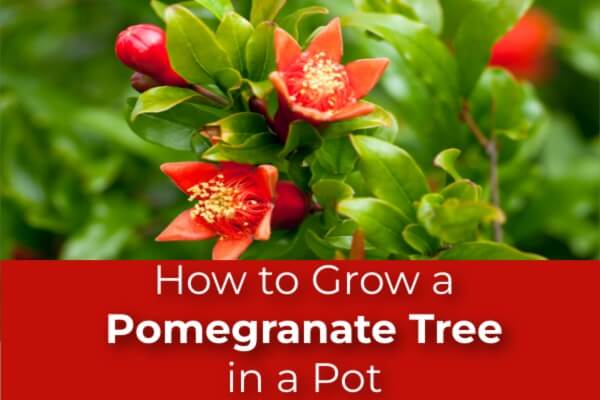
Growing a Pomegranate Tree in a Pot
Here's a step-by-step guide for successfully growing a pomegranate tree in a container:
- Select a Suitable Container: Pick a large container with good drainage holes at the bottom. The container should be at least 18-24 inches deep and 18-24 inches in diameter to provide ample space for root development.
- Use Quality Potting Mix: Fill the container with a well-draining potting mix. You can use a mix specifically formulated for citrus and fruit trees, or you can create your own by blending equal parts of garden soil, compost, and perlite or sand.
- Planting: Plant the pomegranate tree in the center of the container at the same depth it was growing in its nursery pot. Gently loosen the roots before planting to encourage outward growth.
- Sunlight: Place the container in a sunny location where the pomegranate tree can receive at least 6-8 hours of direct sunlight daily. Pomegranate trees thrive in full sun.
- Watering: Water the pomegranate tree deeply but infrequently. Allow the top inch of soil to dry out between waterings, but avoid letting the soil become completely dry. Overwatering can lead to root rot, so it's essential to maintain proper drainage.
- Fertilization: Fertilize your pomegranate tree regularly during the growing season with a balanced fertilizer formulated for fruit trees. You can use a fertilizer like Romeo Plant Food or G&B Organics Fruit and Citrus Tree Fertilizer. Follow the instructions on the fertilizer package for application rates.
- Pruning: Prune the pomegranate tree as needed to maintain its shape and size. Remove any dead, damaged, or crossing branches, and prune for air circulation and sunlight penetration.
- Pollination: If you're growing a variety that requires cross-pollination for fruit production, consider planting more than one pomegranate tree or hand-pollinating the flowers.
- Harvesting: Once the pomegranate fruits ripen, typically in late summer to early fall, harvest them by cutting the fruit from the tree with sharp pruning shears. Pomegranates are ready to harvest when they develop their characteristic deep red color and feel heavy for their size.
FAQs
How do you eat a pomegranate?
It is consumed fresh, juiced, or used in cooking and baking, adding a burst of color and flavor to dishes.
Where did the pomegranate tree originate?
Originating from the region extending from modern-day Iran to northern India, the pomegranate has been cultivated since ancient times. It is believed to have been one of the first fruits domesticated by humans, with evidence dating back as far as 4000 BC.
When is the best time to plant a pomegranate tree?
Plant your pomegranate tree in the spring after the danger of frost has passed.