Four Winds Growers: A Family Business Supplying True Dwarf Citrus Trees

Home


Our Citrus Varieties


Purchasing Our Trees
Order Trees Online
Where to Buy in California
Customer Testimonials


Growing Dwarf Citrus
In The Ground
In Containers
As Houseplants
In A Greenhouse/Solarium


Citrus Problem Solver
Frequently Asked Questions
Search for Answers:


Citrus Recipes
Meyer Lemons
Kaffir Limes


Family Tradition
Helpful Links
Contact Us

Kaffir Lime Trees

The Flavor and Wonder of the Kaffir Lime
Container-Grown CitrusKaffir Lime trees are available in limited quantity from Four Winds Growers. Kaffir limes are also known as "Kieffer limes," "Thai limes," or "wild limes." Their leaves, zest, and juice are used in Thai, Cambodian, and Indonesian cooking. Get a better look through our slide show.


Kaffir Lime Leaf and Peel
(Bai Ma-gkood,PewMa-gkrood)

Kaffir LimeThe following is from an extraordinary book by Kasma Loha-unchit, It Rains Fishes: Legends, Traditions and the Joys of Thai Cooking, published by Pomegranate Artbooks, 1995. The widely distributed book contains bright watercolors punctuating tempting recipes and tales of life in rural Thailand. For more information, read the excerpts below, then check out her web site, Adventures in Thai Cooking and Travel: www.thaifoodandtravel.com.
 
Both the exceptionally fragrant fruits and leaves of the kaffir lime tree play important roles in Thai cooking, imparting unique flavors that have become identified with the cuisine. Any Thai cookbook that alludes to the use of citrus leaves really means kaffir lime leaves, the only citrus leaves used with regularity in a wide array of favorite Thai dishes. The luscious perfume and striking flavor of the leaves cannot be easily substituted with other kinds of citrus leaves. They are worth seeking, as their special attributes are irreplaceable.
 
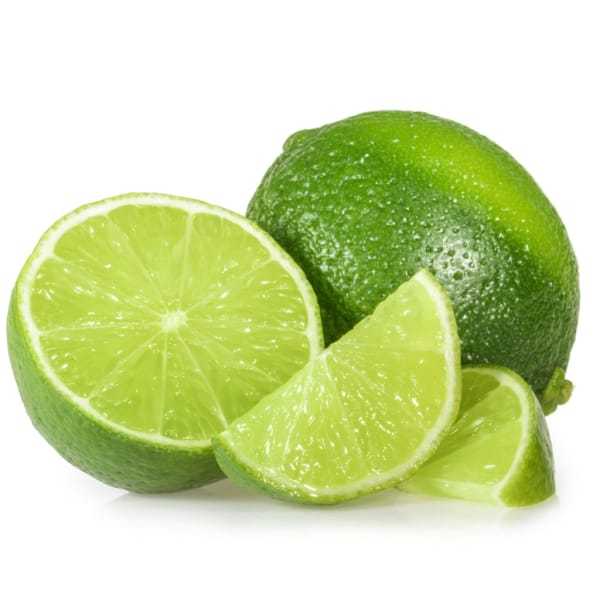
The kaffir lime fruit approximates the size of a Western lime. The fruit is dark green in color and has a bumpy surface. Through the juice is seldom used in cooking, the peel of the fruit, with its high concentration of aromatic oils, is indispensable in many curry pastes and is one reason why Thai curries taste refreshingly unique. The zest also imparts a wonderful piquant flavor to such delectable favorites as fried fish cakes, and it blends in powerfully with such spicy, chili-laden stews as "jungle soup" (gkaeng bpah). Because it's strong flavor can over power the more subtle ones in a dish, the rind should be used sparingly, grated or chopped finely and reduced in a mortar with other paste ingredients until indistinguishable.
 
The leaves of the kaffir lime tree are a dark green color with a glossy sheen. They come in two parts: the top leaflet is lightly pointed at its tip and is attached to another leaflet beneath that is broader on its upper edge. The size of the leaves can vary quite a bit, from less than an inch to several inches long. The larger leaves are usually darker in color. In recipes that call for them, estimate the number to use according to their size, with the average single leaflet (detached from its double) of about two inches long and an inch wide equaling one leaf. Add more or fewer leaves according to the sizes in the batch you purchased.
 
Kaffir lime leaves are precious to many Thai dishes, from soups and salads to curries and stir-fried dishes. They are the ingredient that blends marvelously with lemon grass and lime juice in dtom yam to give the soup its wholesome lemony essence. In soupy dishes, add the leaves whole or torn into smaller pieces, using them as one would bay leaves to flavor broth or stew. For dishes in which they are a component to be eaten, such as salads, stir-fries and dry or custard like curries, cut them in very fine needle-like slivers, so that their strong bouquet can be more evenly distributed. The slivers also provide a pleasing texture and appearance.
 
To sliver kaffir lime leaves finely, stack three to four leaves of similar size together and slice them very thinly with a sharp knife. It is faster to cut diagonally , which gives the hands better leverage, or roll a few leaves at a time into a tight roll before slicing. If at first this task seems onerous, practice until you develop a sense of how to work the leaves. It is a good contemplative exercise and a way to become present with a wonderfully aromatic member of our universe. You can also try cutting the leaves with a pair of scissors, but I find this can be a slower process because you usually must cut one leaf at a time in order to get fine slivers. You may be tempted to mince or chop the leaves instead, but these methods add the kaffir lime leaf flavor differently and can overwhelm the more delicate flavors in a dish. Large slivers can be equally overpowering. So, it is best to use fine slivers about an inch long, as Thai chefs have done for generations, to add kaffir lime leaves in the most pleasing balance of flavor, texture and presentation.


About the Kaffir Lime Tree and Other Uses
 
In tropical Thailand, almost every home in the countryside has one in its yard. Besides supplying great flavor ingredients to enhance food, kaffir lime is also used as a indisputably effective cleanser, natural deodorizer and add a sparkling scent, like sweet bouquet of citrus blossoms, and each scratch of the zest releases another installment of refreshing perfume
 
Kaffir lime shampoo leaves the hair squeaky clean and invigorates the scalp. It is believed to freshen one's mental outlook and ward off evil spirits. Kaffir lime has also been used for ages as a natural bleach to remove tough stains. When I was growing up, mother did the wash entirely by hand, and nothing worked better on stubborn stains than a few drops of kaffir lime juice, mixed with a sprinkling of detergent. Not only does it clean effectively, it is inexpensive, natural and sweet-smelling. For rural villagers, a single kaffir lime tree supplies enough limes to keep the whole house and family clean.
 
In folk medicine, the juice of kaffir lime is said to promote gum health and is recommended for use in brushing teeth and gums. The essential oils in the fruit are incorporated into various ointments, and the rind is an ingredient in medical tonics believed to be good for the blood. Like lemon grass and galanga, the rind is also known to have beneficial properties for the digestive system.
 
Also, visit www.haldin-natural.com to learn more about traditional uses of kaffir lime leaf oil.

return to top of page


Copyright © 2005 Four Winds Growers. All rights reserved.