How Our Trees Look When Shipped
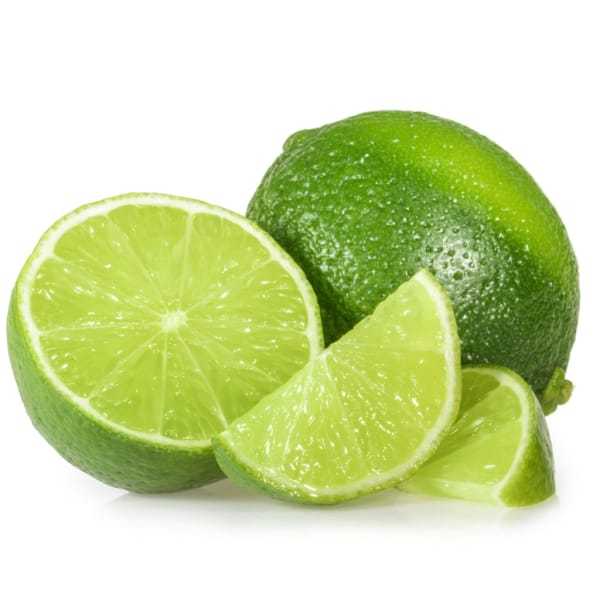
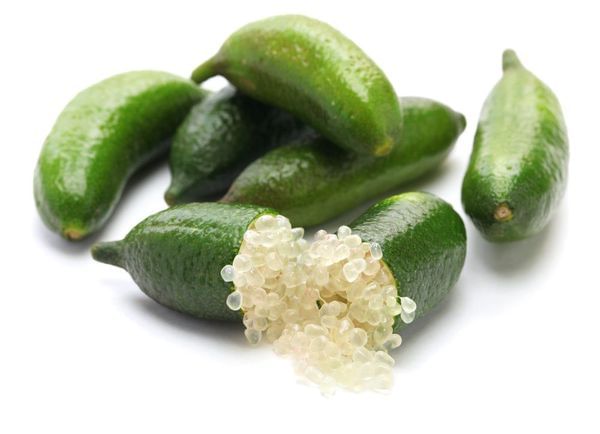
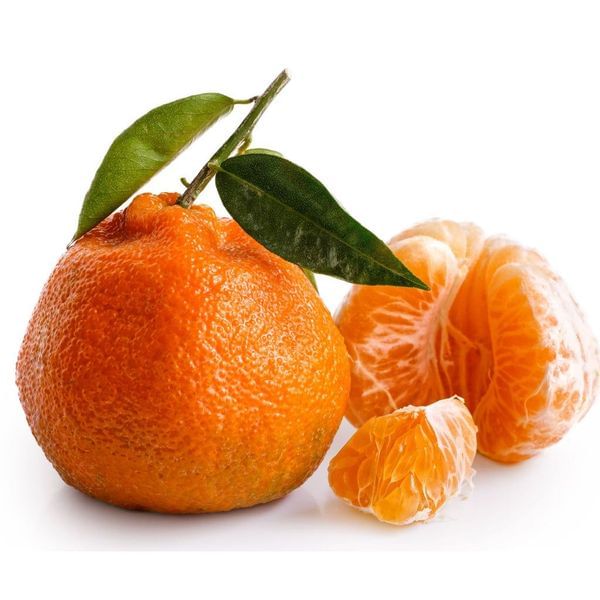
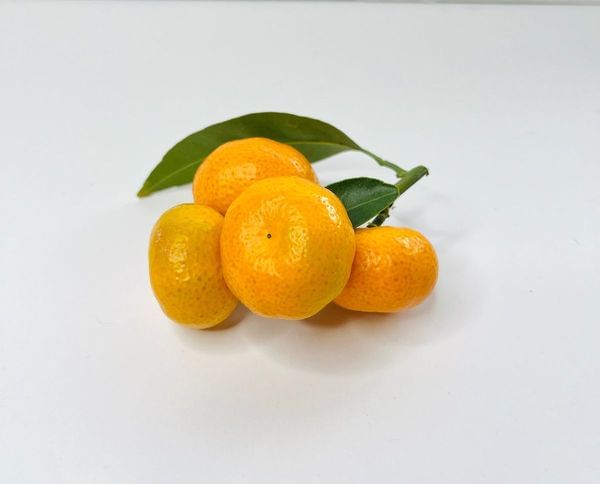
This image shows how our trees look at the time of shipping.

Your Family Tree
Check out how other folks are "relating" to their citrus trees on our Your Family Tree page. Share your story with us for a chance to win a tree of your choice!
Outstanding!"I just wanted to let you know that I was very, very impressed with the quality and vigor of the Kieffer Lime I purchased from you. It came out of the box with great leaf color and quantity and has been putting on lots of new growth. Thank you!" |
Growing OrganicallyCitrus trees can thrive under organic production methods. The basic requirements of full sun, excellent drainage, plus protection from frost and wind, apply equally to organically grown trees. All Citrus trees are heavy feeders, and require a steady supply of nitrogen and trace elements throughout the growing season, whether grown in pots, or the ground. Container Growing Start by combining commercial organic soil with compost, sand and fir bark, or choose from materials in your local area to create a suitable growing medium. Cedar shavings (hamster bedding), Coco shell fiber, pumice, decomposed granite and other materials can be used to help improve the saturation quality of heavy potting mixes and soils. Compost and worm castings can also be used, but keep them to under 20% of the total mix, or it may become too heavy. Citrus do like a slightly acid growing medium, but adding too much sphagnum moss for this purpose can impede root drainage, so use sphagnum sparingly. Avoid commercial mixes that contain chemical wetting agents or chemical fertilizers. Moist, not wet roots make a happy tree. A 2-3 year old bare-rooted organic tree from Four Winds Growers should be planted in a standard 5 gallon size nursery pot (12-14” diameter). Containers designed for nursery use typically have adequate drainage holes. If using a terra cotta or clay pot, be sure to drill extra holes to improve drainage, or nest the plain pot inside the decorative pot, being sure to elevate the pot above the drainage area. Putting gravel or any other material on the bottom of the container when potting up is unnecessary, and can impede drainage over time, leading to water-logged roots. Make sure that when finished planting, the tree’s crown roots show just above the soil line. Planting in the Ground It is best not to plant your citrus tree in a lawn since lawns will compete with the tree for nitrogen and water, and allelopathic chemicals from grasses can impede citrus growth. In heavy clay soils it may be necessary to plant on a mound to assure good drainage. Citrus trees are heavy feeders, and our experience has been that you need to fertilize your organic trees more often, because organic fertilizers are generally not as concentrated as conventional commercial fertilizers. Good organic granular fertilizers are available on line and at garden centers. [Two examples are Dr. Earth (Organic #9 for Fruit trees) and EB Stone (Organic Citrus and Fruit Tree Food).] You can also top dress with compost or use brew your own compost “teas” to supplement fertilization. In addition to timely applications of slow release granular fertilizers it is a good idea to apply foliar sprays of fish emulsion and kelp on a weekly schedule throughout the active growing season. Young leaves that have not yet “hardened off” (are about half of mature leaf size) absorb foliar nitrogen and trace elements best. Aphid, Scale or Mite, Oh My! Be sure that ants are excluded from your citrus growing area. An excellent product to help keep trees clean and free of pests is Organic Orange TKO. If a scale infestation has already begun, one can simply scrub them off of branches and twigs with a soft toothbrush and wash off with the solution mixed in a spray bottle. [http://tkoorange.com/ ]. Bringing Indoors for Winter Growing There is a ‘learning curve’ with citriculture, especially if you are planning your mini orchard in pots that you will need to bring indoors in winter. If you take care to maximize sun exposure, carefully monitor soil moisture, fertilize regularly and watch for pests, your organic citrus growing experience will be successful.
|