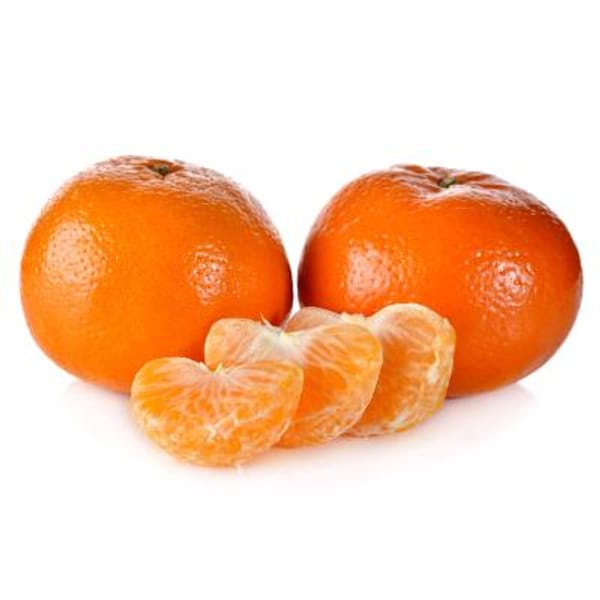
Kumquat
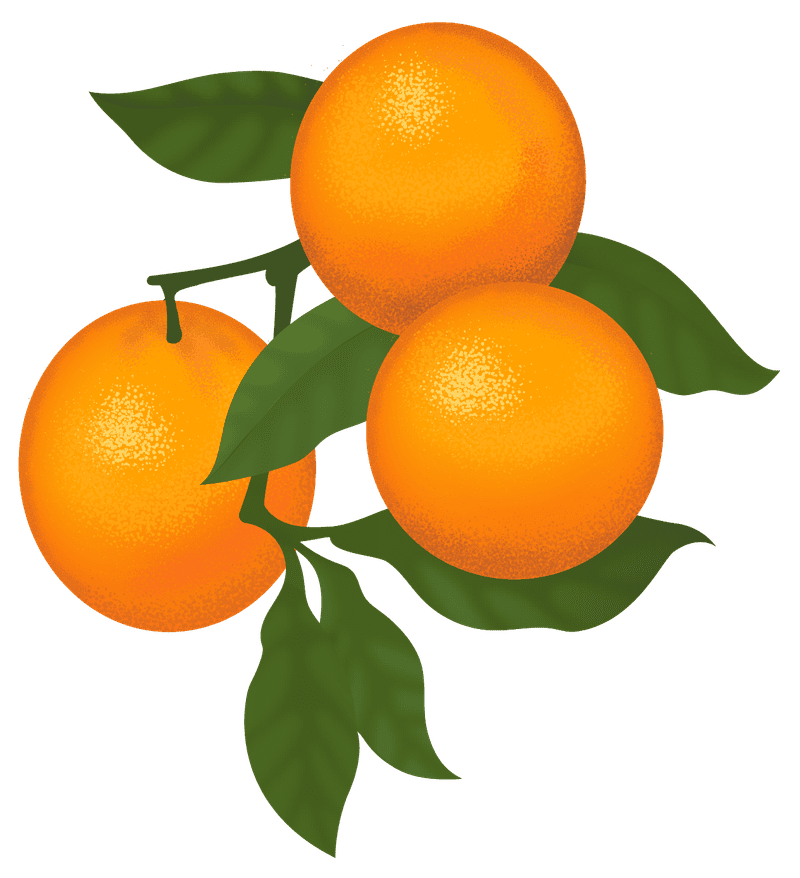
All kumquats have sweet, edible skin and tart flesh, few to no thorns, and extremely fragrant blossoms, in areas with warm to hot summers. They also have exceptional cold-hardiness, making them some of our favorite species of citrus.
Meiwa Kumquat
Fruit is more round than Nagami, with a bit more sweetness. Good candied or in marmalade. Produces best in hotter locations.
|
Nagami Kumquat
The most widely available kumquat in North America. Olive size and shape, bright orange fruit. Nagami flowers best in areas with warm summers. Late winter or early spring ripening fruit.
|
Indio Mandarinquat
A kumquat-mandarin hybrid with orange, bell-shaped fruit much larger than a typical kumquat. The sweet peel is eaten along with the tart flesh for a unique flavor combination. Slice in quarters for garnish or eat right from the tree for snacks.
|
Centennial Variegated Kumquat
This variegated sport of a Nagami Kumquat is an attractive finely textured tree with upright growth habit. Variegated pale yellow and cream leaves are complemented by yellow and green striped fruit which become quite large and turn orange at maturity. Ripeness occurs in late winter and fruit holds well on the tree into the summer.
|
Nordmann Seedless Nagami Kumquat
Clusters of petite orange colored fruit holds well on the tree, making this, like other Kumquats, an attractive ornamental tree. Fragrant flowers in summer, seedless sweet-tart fruit is ready to pick in late winter orearly spring.
|
Marumi Kumquat
Similar to the Nagami, except with much smaller leaves and more round shaped fruit. The peel is also slightly thinner and sweeter. Diminutive and highly ornamental, the Marumi is rarely found outside of China and Japan.
|
Eustis Limequat
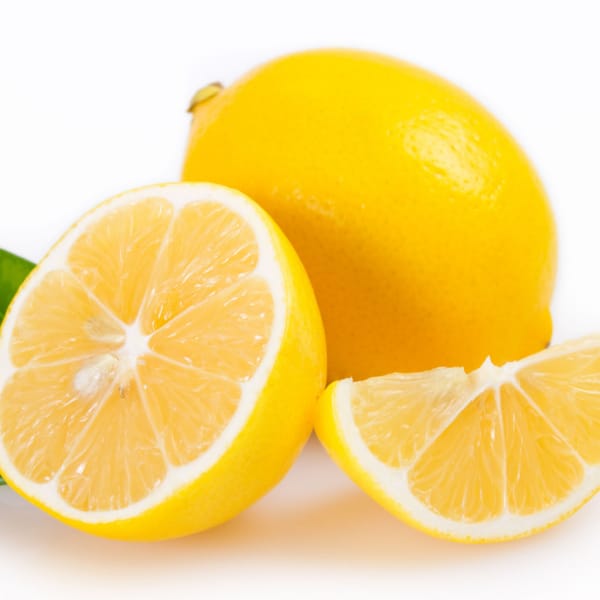
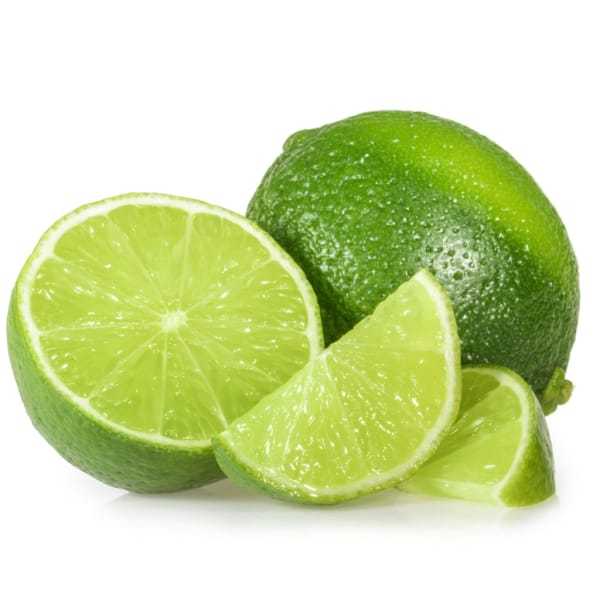
A cross between Mexican (Key) Lime and kumquat. Prolific bearer of small yellow oblong fruit which can be used like limes.
Fukushu Kumquat
Like other kumquats, the Fukushu is a naturally small tree, well-suited for growing as an ornamental. Tree growth is characterized by its spreading form, and leaves that are typically larger and broader than those of other kumquats. Fukushu fruits ripen to orange and are fully edible, with thinner rinds and fewer seeds than Meiwa or Nagami types.
|

|